Plumeria Care Guide
Everything you need for healthy plants and reliable blooms.
Quick answer
Plumeria needs at least 6 hours of direct sun, fast-draining soil, deep but infrequent watering, and a high-phosphorus fertilizer through the growing season. In USDA zones 9–11 it grows outdoors year-round; in colder zones, overwinter it dormant and dry above 40°F.
- ✓Sun: 6–8 hours of direct sun a day — more sun means more flowers
- ✓Soil: fast-draining 2:1 cactus mix to perlite; overwatering is the #1 killer
- ✓Fertilizer: high-phosphorus, like 10-30-10, during spring and summer
- ✓Zones 9–11 grow outdoors year-round; below 40°F, move indoors and go dormant
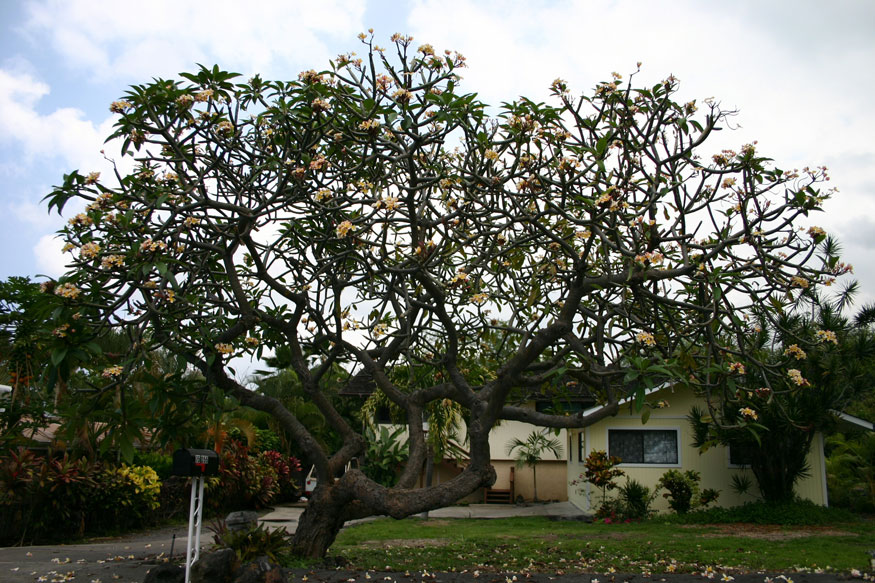
How Much Sun and Heat Does a Plumeria Need?
A plumeria needs at least 6–8 hours of bright, direct sun a day and does best in temperatures between 65–90°F — the more sun it gets, the more it flowers.
- Temperature range: 65–90°F for active growth.
- Protect from frost — plumerias are sensitive to freezing temperatures.
- If grown indoors, rotate the pot weekly for even growth and place near the brightest window.
- In USDA zones 9–11, plumerias can be planted in the ground and may reach 20 feet tall.
How Often Should You Water a Plumeria?
Water a plumeria deeply but infrequently: soak the soil thoroughly, then let the roots dry down before the next watering. The motto is "Sand + Sun = You're Done!"
- Growing season: water when the top few inches of soil feel dry.
- Winter/dormancy: reduce drastically — some growers water only when stems look shriveled.
- Always use a pot with drainage holes to prevent root rot.
- Overwatering is the #1 killer of plumerias.
What Is the Best Soil for Plumeria?
The best soil for plumeria is a fast-draining mix of 2 parts cactus/succulent soil to 1 part perlite, so excess water leaves quickly and the roots never sit wet.
- Ideal mix: 2 parts cactus/succulent soil + 1 part perlite.
- The soil should feel light, fluffy, loose, and gritty.
- Avoid dense potting soil and moisture-control blends.
- Plumerias prefer a snug root system — start with a 1-gallon pot and only repot when needed.
- After repotting, wait before heavy watering to avoid shock and rot.
For the full breakdown — exact ratios, what to avoid, and how to repot without shock — see our best soil mix for plumeria guide.
What Fertilizer Makes a Plumeria Bloom?
A fertilizer higher in phosphorus — the middle number, such as 10-30-10 — is what pushes a plumeria to bloom rather than just grow leaves.
- Recommended: a slow-release bloom formula such as 10-30-10 — simple and low-effort.
- Alternative: liquid fertilizer every 2–4 weeks during spring/summer.
- Too much nitrogen encourages leaf growth at the expense of flowers.
- Don't fertilize during dormancy.
Want a full feeding schedule and the science behind the numbers? Read our best fertilizer for plumeria guide.
How and When Should You Prune a Plumeria?
Prune a plumeria after flowering finishes, when the plant can recover — the goal is removing damage and building a strong branch structure, not heavy shaping.
- Timing: after flowering is complete, when the plant can recover.
- Remove dead, weak, broken, or diseased growth.
- For shape: cut back selectively to promote branching and airflow.
- Use clean tools; allow cuts to dry and callus before heavy watering.
How Do You Protect Plumeria in Winter?
Protect a plumeria in winter by bringing it indoors once night temperatures drop below 40°F and letting it rest dormant and dry until spring. Most varieties drop their leaves during dormancy — this is completely normal.
Option A: Full dormancy (easiest)
- Store in a closet, basement, or garage — no light or water needed.
- Leave them alone until spring when temperatures warm up again.
- Stems may look bare, but the plant is resting, not dead.
Option B: Bright indoor storage
- Keep near a sunny window with minimal watering.
- Singapore White is evergreen and keeps its foliage year-round indoors.
Option C: Frost-free outdoor climates
- Reduce watering frequency and stop fertilization until spring.
- Keep the same drainage-focused approach.
For a month-by-month overwintering plan, read our plumeria winter care guide.
What Pests and Problems Affect Plumeria?
The pests that affect plumeria most are spider mites, mealybugs, scale, whiteflies, and thrips — but the number-one problem growers fear is rot. Catch anything early; most infestations start small, so regular checks make a huge difference.
- Mealybugs: White "cottony" clusters. Remove with a cotton swab dipped in rubbing alcohol, then treat with insecticidal soap or neem oil.
- Scale: Small, stuck-on bumps with sticky residue. Scrape gently and treat; repeat weekly until no new activity.
- Spider mites: Tiny speckling and webbing, often in dry indoor air. Increase humidity slightly and treat with a targeted miticide if needed.
- Whiteflies and thrips: Treat with insecticidal soap, repeating every 7–10 days to catch all life stages.
Need to identify a specific bug or symptom? Work through our plumeria pest guide or the full plumeria problems and fixes guide.
Why Isn't My Plumeria Blooming?
A plumeria that won't bloom is usually short on light, getting too much nitrogen, or simply too young to flower yet. Run through the common causes below.
- Not enough light: Increase sun hours — indoor setups often need brighter placement.
- Too much nitrogen: Switch to phosphorus-focused feeding (like 10-30-10).
- Overwatering: Let soil dry completely and ensure drainage.
- Young plant: Be patient — some plumerias take a few seasons to mature enough to bloom.
- Stress from repotting/pruning: Give recovery time before expecting flowers.
- Wrong variety: Some varieties are naturally less prolific — research your cultivar.
What Do You Do About Plumeria Stem Rot?
If a plumeria stem feels soft or squishy, act quickly — cut it back to clean, solid white wood, let the cut callus, and replant dry.
- Cut the stem down until you see clean, solid white wood.
- Let the cut end dry and callus for 7 days in a dry location.
- Replant in fresh, dry cactus mix — do not water for 3–4 weeks.
Plumeria Care FAQ
Answers to the most common questions plumeria growers ask.
Which plumeria varieties are best for beginners?
Celadine, Singapore White, and Candy Stripe are the ones we point first-time growers to most often — they root readily and bloom reliably. Save the fussier collector varieties for after your first successful rooting.
Which plumeria varieties are most fragrant?
Fragrance varies dramatically by variety. Standouts include King Kalakaua (sweet floral perfume), Wailea (strong coconut), and Celadine (orange blossom). Each color family tends to have its own fragrance 'personality.'
What are the best plumeria varieties for cold climates?
No plumeria tolerates a freeze, but any variety can be overwintered indoors. Celadine and Singapore White both handle container life well — Singapore White even keeps its leaves inside. Grow in pots so you can move plants in when nights drop below 40°F.
How do I manage common pests that attack plumerias?
Regular inspection is key. Spider mites, mealybugs, scale, whiteflies, and thrips are the most common. Remove mealybugs with rubbing alcohol on a cotton swab, increase humidity for spider mites, and use insecticidal soap or neem oil for broader infestations — repeating every 7–10 days.
Why isn't my plumeria blooming?
Most bloom problems come down to light (need 6–8 hours direct sun), nutrition (too much nitrogen reduces flowers), plant maturity (young plants need time), temperature (cool temps inhibit blooms), or variety traits. Research your specific cultivar — some are simply more prolific than others.
What is the best fertilizer for plumerias?
Use a fertilizer higher in phosphorus (the middle number), such as 10-30-10, to promote abundant blooms. A slow-release bloom formula is the lowest-maintenance route. Feed during active growth (spring/summer) and stop during dormancy.
How much sun do plumerias need?
6 to 8 hours of full, direct sun per day. More sunlight generally means more flowers. If growing indoors, place near the brightest window you have and rotate the pot weekly for even growth.
What is plumeria vs frangipani?
They're the same plant! Plumeria is the botanical/scientific name, while frangipani is the common name used in many countries. In Hawaii, they're simply called plumeria.